
Frontier Airlines: New Routes, Wi-Fi, and First Class – The Strategic Implications
Frontier's Gamble: Can Wi-Fi and First Class Lift a Budget Airline?
Frontier Airlines is making some intriguing moves. Nonstop flights from Memphis to Atlanta are a nice perk for travelers tired of layovers, but the real story lies in Frontier's broader strategy. The budget carrier is flirting with in-flight Wi-Fi and, more surprisingly, a first-class cabin. Are these upgrades a smart play or a desperate attempt to chase a different kind of flyer?
The Numbers Game: Wi-Fi and Upscale Ambitions
Let's be clear: Frontier's core appeal is rock-bottom prices. Adding Wi-Fi and a premium cabin flies in the face of that. CEO Barry Biffle's LinkedIn comment about in-flight Wi-Fi ("it's coming") suggests they're feeling the pressure. Every other major airline, including low-cost competitors, already offers it. But is it worth the investment for Frontier?
The Points Guy reported that Frontier is fielding offers from Wi-Fi vendors. Competition is good, as it drives down costs. But even a "cheap" Wi-Fi setup adds complexity and weight to the aircraft, impacting fuel efficiency. How many passengers will actually pay for Wi-Fi on a two-hour flight from Memphis to Atlanta? What's the projected ROI (return on investment)? These are the questions Frontier's finance team should be hammering. Frontier Airlines Weighing Up Onboard Wi-Fi As First Class Cabin Nears Debut
And then there's the first-class cabin. Currently, Frontier jams as many seats as possible into its Airbus fleet. A320neos seat 186, while some A321neos pack in a staggering 240. Introducing a 2-2 first-class configuration will obviously reduce capacity (by how much, exactly, Frontier hasn't specified). Fewer seats mean less revenue unless they can command significantly higher fares for the premium experience. What percentage of seats need to be filled in first class to make it profitable, considering the lost seats in economy? I'd bet that number is higher than they anticipate. And this is the part that I find genuinely puzzling.
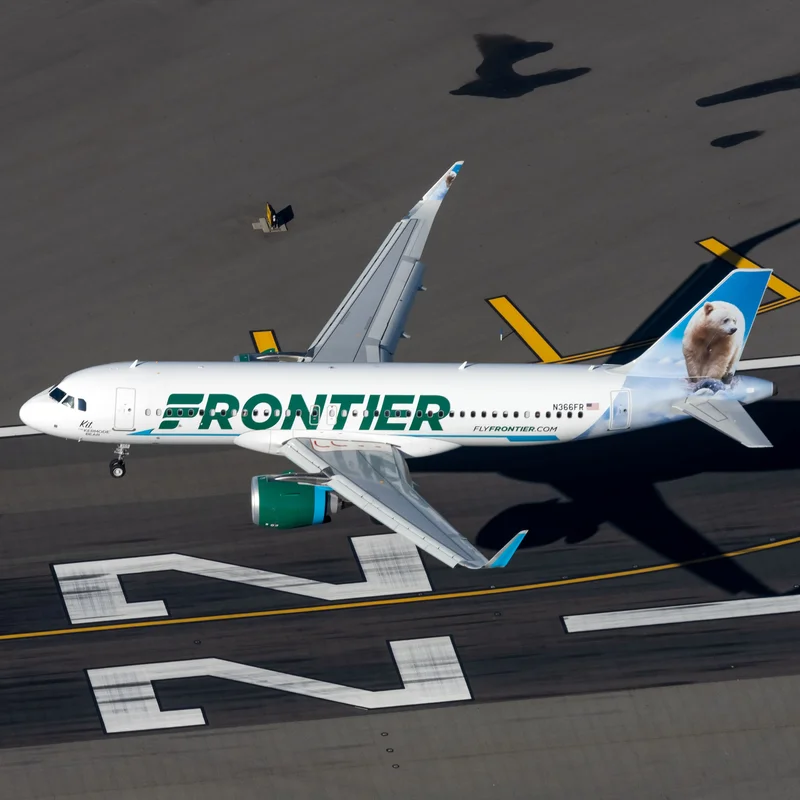
The Memphis-Atlanta Route: A Microcosm of the Strategy?
The new Memphis-Atlanta route, launching on Thanksgiving, could be a testing ground. It's a short hop, ideal for business travelers who might value Wi-Fi to stay connected. (Or, more likely, just download content before the flight and save the money.) But will those same travelers pay a premium for a slightly wider seat and a free drink?
Frontier already offers "Upfront Plus" seating with blocked middle seats in the first two rows. Is that enough of a differentiator, or is a true first-class experience necessary to compete with Delta on this route? And here's a question nobody seems to be asking: What are the demographics of passengers flying between Memphis and Atlanta? Are they price-sensitive leisure travelers, or corporate road warriors with expense accounts? The answer to that question should dictate Frontier's strategy.
The airline has launched new routes, including Newark - Orlando and Miami - Chicago, with introductory fares starting at $29. This aggressive pricing is classic Frontier. But it also highlights the inherent conflict in their strategy. How do you reconcile $29 fares with a premium cabin experience? It's like trying to run a luxury hotel with a Motel 6 price list.
So, What's the Real Story?
Frontier's attempt to straddle the line between ultra-low-cost and a slightly-better-than-basic experience feels like a recipe for mediocrity. The airline is essentially betting it can compete with both Spirit and Delta simultaneously. My analysis suggests that they are unlikely to fully succeed at that goal.