
Stock Market Open Today: Veterans Day status and trading hours
U.S. stock markets will be taking a breather on Thursday, November 27, 2025, for Thanksgiving. And while the tryptophan coma sets in, remember that the U.S. bond market will also be closed. The Nasdaq and NYSE will follow suit, shuttering their doors for the holiday. It's a yearly ritual, but what does it really mean beyond a day off for Wall Street types?
Black Friday's Early Exit: A Shorter Trading Day
The following day, Friday, November 28, brings the infamous Black Friday. But don't expect a full day of trading to capitalize on that post-turkey consumer frenzy. The markets will open, yes, but with an early dismissal at 1 p.m. ET. The bond market gets a slightly later, but still truncated, session, closing at 2 p.m. ET. The Nasdaq and NYSE will also adhere to the 1 p.m. ET close.
This early close is standard, but it always raises a question: Does a half-day of trading on Black Friday actually matter? Or is it just a symbolic gesture, a nod to the holiday season while volumes are thin and the real players are still digesting leftovers? I've looked at hundreds of these holiday market schedules, and the impact on overall yearly returns is usually negligible. (The real volatility comes later, in December, when everyone's trying to book profits or losses for the year.) You can find details on specific market closures at sites like Is the stock market open on Thanksgiving and Black Friday? What to know - USA Today.
The December Pause: Christmas and Christmas Eve
Looking ahead, the next scheduled closure is Thursday, December 25, 2025, for Christmas. (A day for reflection, not relentless trading.) And, keeping with tradition, markets are slated for an early close at 1 p.m. ET on Christmas Eve, December 24, 2025.
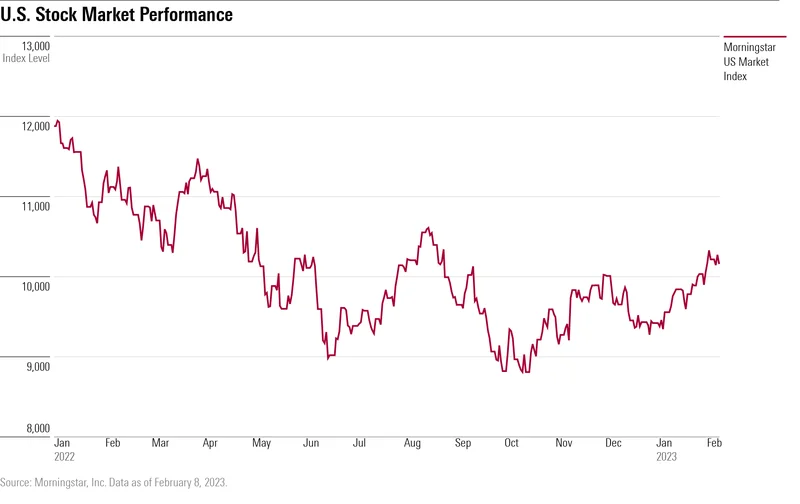
So, we have a predictable pattern: Thanksgiving closure, abbreviated Black Friday session, and then the Christmas holiday slowdown. The question is, how much does this impact the average retail investor? Does this give institutional investors an advantage?
The argument often made is that these closures allow institutional investors to regroup and strategize, potentially moving markets in ways that disadvantage smaller retail traders who might be caught off guard by overnight news or pre-market activity on abbreviated days. Is this true? It's hard to quantify.
Think of it like a pressure cooker. If the stock market is a pressure cooker of financial energy, these closures are like briefly turning off the heat. The pressure doesn't disappear, it just builds up, potentially leading to a more volatile release when trading resumes.
So, What's the Real Story?
The market closures around Thanksgiving and Christmas aren't earth-shattering events, but they offer a moment to pause and consider the underlying dynamics at play. Are these shortened sessions truly beneficial for anyone besides the brokers who get to go home early? The data suggests it's mostly noise, but the perception of an uneven playing field can be just as powerful. It's a psychological game as much as a financial one.