
Orca Hunt: Seal's Escape to the Photographer's Boat: A Data-Driven Analysis of the Incident
The Salish Sea Standoff: A Statistical Improbability?
Charvet Drucker's recent encounter in the Salish Sea – a pod of orcas hunting a harbor seal, with the seal finding temporary refuge on her boat – has all the makings of a viral sensation. We've got the dramatic video, the human-interest angle ("You poor thing...You’re good, just stay, buddy,” Drucker reportedly said), and the classic nature-red-in-tooth-and-claw dynamic. But let's strip away the emotion and ask: how unusual is this, really?
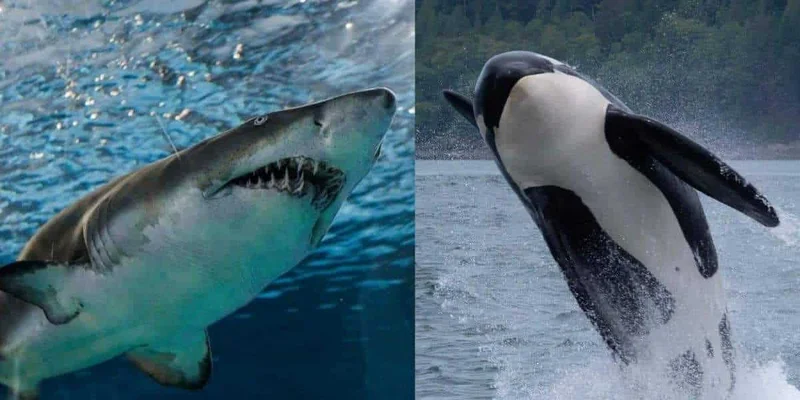
Orcas employing "wave-washing" techniques aren't exactly new. NOAA has documented this behavior since the 1980s. These aren’t your salmon-munching "resident" orcas, either. These are the Bigg’s, or "transient" orcas, the apex predators of the Salish Sea, specializing in seals and other marine mammals. Drucker herself has photographed dead seals in orca mouths before. So, orcas hunting seals? Standard operating procedure.
What is interesting is the seal's choice of escape route. We're talking about a creature with the entire Salish Sea at its disposal, opting to climb onto a 20-foot boat. What are the odds? I mean, think about the available data points: square mileage of the Salish Sea versus the square footage of Drucker's stern. That’s a calculation I’m not going to bore you with, but it’s not good for the seal.
The Human Factor: A Variable Too Complex to Model
Drucker’s reaction is another variable thrown into the mix. She initially supported the orcas – “definitely Team Orca, all day, every day” – but switched allegiance the moment the seal became a stowaway. Seal escapes orca hunt by jumping onto photographer's boat - ABC News This highlights a key problem in wildlife observation: the observer effect. The presence of a human (and their vessel) undeniably altered the natural course of events. The seal, driven by instinct and desperation, made a statistically improbable decision, and Drucker's presence made it possible.
And this is the part of the event that I find genuinely puzzling. We have regulations about not interfering with seals, and regulations about boaters cutting their engines to prevent injury to whales, but what about the meta-regulation: the impact of human presence on the hunting behavior of apex predators? How do we quantify that? How do we even begin to model the psychological stress on a seal when its only option is a human-operated machine?
The online chatter, predictably, is a mix of awe and concern. Awe at the orcas' hunting prowess, and concern for the seal's well-being. But let’s be honest, the internet loves a good underdog story. The seal becomes a symbol of resilience, a furry David facing down a pod of goliath orcas. But is this really about conservation, or is it just another excuse to project human emotions onto the animal kingdom?
Data Doesn't Lie: It's All a Bit Messy
The Salish Sea encounter is a fascinating snapshot of the complex interplay between predator, prey, and human intervention. It’s easy to get caught up in the drama, but a step back reveals a messy, statistically improbable event driven by instinct, desperation, and the unpredictable variable of human presence. The orcas will continue to hunt, the seals will continue to evade, and humans will continue to watch, record, and inevitably, interfere. The only constant is the data—and its frustrating incompleteness.